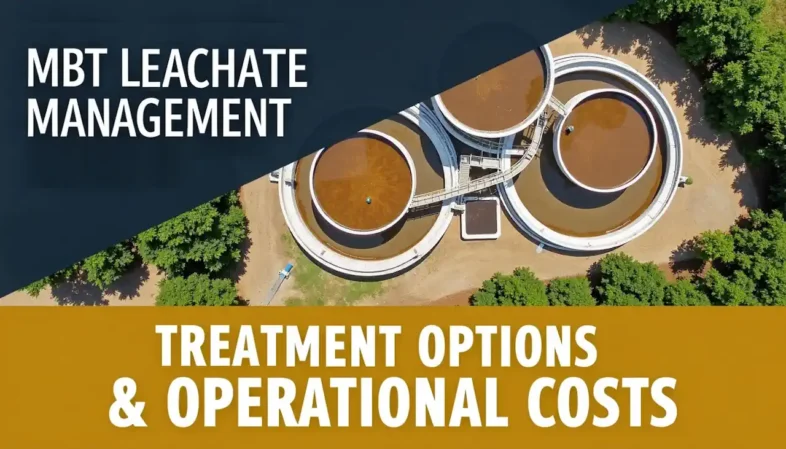

Mechanical-Biological Treatment or MBT leachate management involves controlling and treating the complex, highly contaminated wastewater produced when moisture comes into contact with pre-processed residual waste. While biological stabilisation in MBT processes reduces overall pollutant peaks compared to raw municipal waste, the resulting leachate still requires specialised treatment due to distinct chemical traits
Key Points:
- MBT leachate can be significantly more complex than standard landfill leachate, containing high ammonia loads, heavy metals, recalcitrant organics, and increasingly regulated PFAS compounds that demand multi-stage treatment strategies.
- No single treatment technology is sufficient — the most effective systems combine biological treatment, membrane filtration, and advanced oxidation in a staged approach tailored to leachate composition.
- Research by Gupta and Singh found that a Methane Phase Bed (MPB) reactor paired with a Leachate Recycling Unit (LRU) and aerated lagoon delivers the most cost-effective treatment combination for high-strength leachate streams.
- PFAS regulations are rapidly reshaping treatment plant design requirements — facilities that haven’t assessed their leachate for PFAS contamination are likely behind on compliance.
- Operational costs are controllable, but only when energy efficiency, chemical consumption, and system sizing are addressed at the design stage — retrofitting is always more expensive than building it right the first time.
MBT leachate doesn’t behave like ordinary wastewater — and treating it like it does is one of the most expensive mistakes a facility can make.
Mechanical Biological Treatment (MBT) facilities generate leachate that is chemically distinct from conventional landfill leachate. The pre-treatment and processing of mixed waste before disposal fundamentally alters the contaminant profile of the liquid that drains through. What comes out the other side is a high-strength, highly variable wastewater stream that routinely overwhelms treatment systems designed for simpler inputs. For waste management professionals navigating this challenge, resources like Golder Associates have long contributed technical expertise in leachate treatment plant design, treatability studies, and compliance support for complex waste streams.
Understanding what you’re dealing with — chemically, operationally, and regulatorily — is the only way to build a treatment strategy that holds up over time.
MBT Leachate Is One of the Hardest Wastewaters to Treat — Here’s Why
The challenge with MBT leachate starts at the source. Because MBT processes shred, sort, and biologically stabilise waste prior to landfilling, the resulting leachate carries a compressed and concentrated version of what would otherwise leach slowly over decades. You’re dealing with elevated biochemical oxygen demand (BOD), chemical oxygen demand (COD), ammonia nitrogen, suspended solids, heavy metals, and a growing list of persistent organic pollutants — all in a single stream.
What makes this particularly difficult is variability. Leachate composition isn’t static — it shifts with waste input, seasonal rainfall, site age, and the biological activity happening within the waste mass itself. A treatment system that performs well in year one can be completely mismatched to what it’s receiving in year five. For more insights, explore leachate management strategies.
- High ammonia nitrogen — often exceeding concentrations manageable by standard aerobic systems alone
- Elevated COD with recalcitrant fractions — organic compounds that resist biological breakdown and require chemical or advanced oxidation steps
- Heavy metals including lead, cadmium, zinc, and chromium at concentrations that interfere with biological treatment
- PFAS compounds — per- and polyfluoroalkyl substances that pass through most conventional treatment processes untouched
- High suspended solids and colloidal matter that accelerate membrane fouling and increase operational burden
- Variable hydraulic loads driven by precipitation events and seasonal site conditions
What Makes MBT Leachate Different From Standard Landfill Leachate
Standard municipal solid waste (MSW) landfill leachate typically follows a predictable ageing curve — high BOD and COD early in the landfill’s life, gradually transitioning to a leachate dominated by ammonia and humic substances as the site matures. MBT leachate skips that curve.
Because the waste has already undergone significant biological processing before placement, the leachate tends to arrive at the treatment system already aged in character — high in ammonia, lower in readily biodegradable organics, but with a more complex and stubborn residual COD fraction. This makes it harder to treat biologically and often requires earlier intervention with membrane or chemical treatment than a comparable MSW site would.
High Ammonia, Heavy Metals, and PFAS: The Core Treatment Challenges
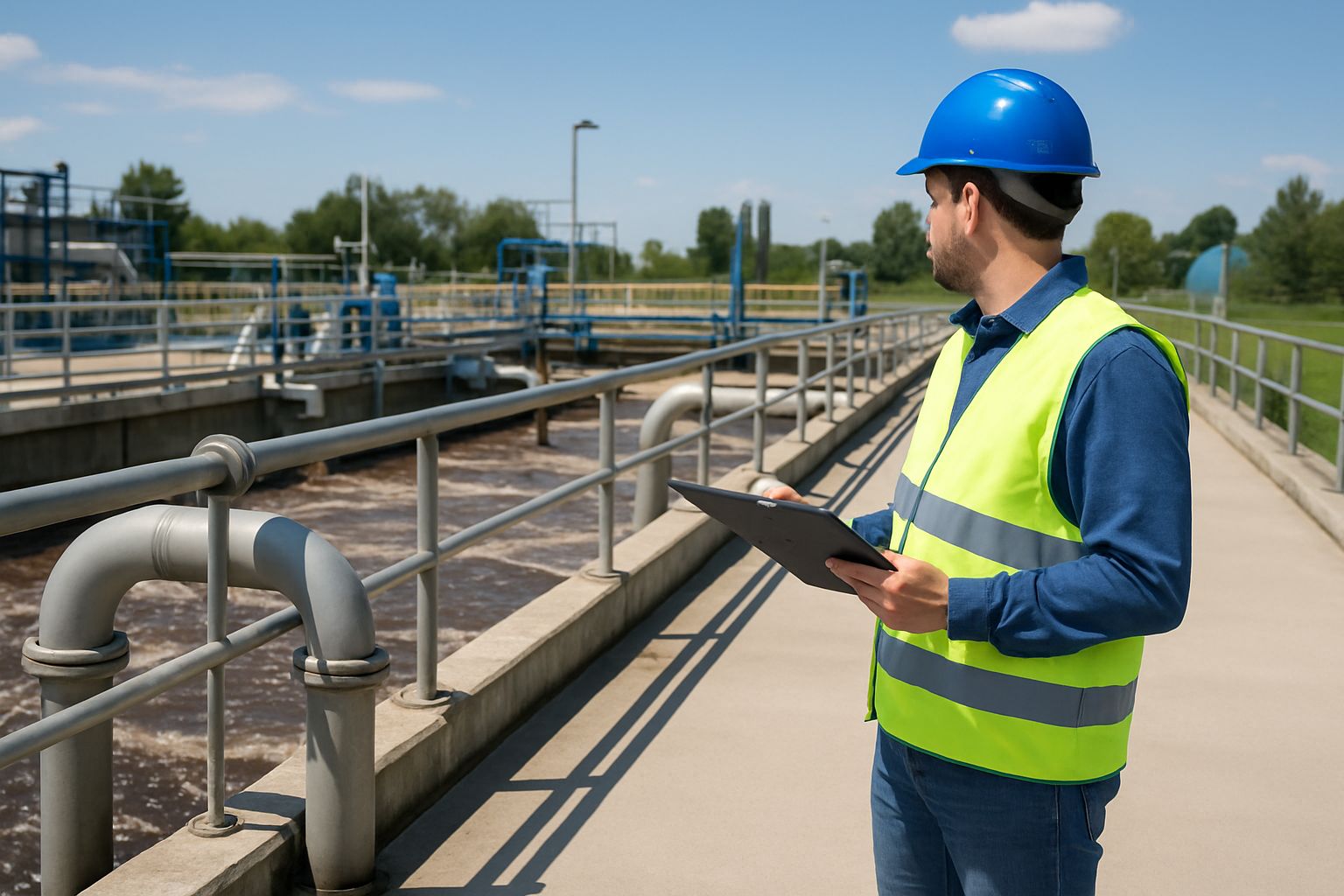
Ammonia is typically the primary compliance driver for MBT leachate. Concentrations can be high enough that standard activated sludge systems become inhibited rather than effective, requiring careful process design — often incorporating nitrification and denitrification stages, or moving bed biofilm reactors (MBBRs) capable of maintaining high biomass concentrations without the instability risks.
Heavy metals complicate biological treatment further. Even at sub-lethal concentrations, metals like chromium and cadmium suppress microbial activity in biological reactors, reducing treatment efficiency and increasing the risk of permit exceedances.
PFAS adds another layer entirely — these compounds are effectively invisible to conventional biological and many chemical treatment processes, meaning they pass through and end up in discharge or concentrate streams without targeted intervention. For more information on how to address these challenges, explore reverse osmosis in leachate treatment.
How Leachate Composition Changes Over Time
Leachate from an MBT facility in active operation looks very different from leachate generated during closure or post-closure phases. Active sites typically produce higher-volume, higher-strength leachate. As biological activity within the waste mass declines post-closure, volumes often drop but contaminant concentrations — particularly ammonia and metals — can remain stubbornly elevated for years or even decades.
Any treatment system designed for MBT leachate needs to account for this long-term trajectory, not just current conditions. Treatability studies conducted at the design stage should model projected composition changes across a 20 to 30-year horizon wherever possible.
Treatment Options for MBT Leachate
There is no off-the-shelf solution for MBT leachate. Every effective treatment system is a configured combination of technologies matched to site-specific leachate chemistry, discharge requirements, available footprint, and operational capacity. That said, the core technology categories are well established — and knowing how each one performs against MBT leachate’s specific challenges is essential for making informed design and investment decisions.
Biological Treatment: MBBRs, MBRs, and SBRs
Biological treatment remains the workhorse of leachate management — it’s cost-effective, well understood, and capable of handling the bulk of biodegradable organics and ammonia when properly designed. For MBT leachate specifically, three configurations dominate: Moving Bed Biofilm Reactors (MBBRs), Membrane Bioreactors (MBRs), and Sequencing Batch Reactors (SBRs).
MBRs are particularly well suited to MBT leachate with high organic loads and sites where footprint is constrained. They integrate biological treatment with membrane filtration in a single unit, achieving BOD removal rates of 85% to 95% while producing a consistently high-quality effluent. The trade-off is higher capital cost and the operational demand of managing membrane fouling. SBRs offer more flexibility for variable-flow sites — their batch-process nature makes them easier to adapt to fluctuating leachate volumes. MBBRs excel where high biomass concentration is needed without the sludge handling complexity of conventional activated sludge, making them a strong choice for high-ammonia MBT streams.
Membrane Filtration: Microfiltration, Ultrafiltration, Nanofiltration, and Reverse Osmosis
Membrane filtration technologies form the backbone of advanced leachate polishing. Applied in sequence — from microfiltration (MF) through ultrafiltration (UF) and nanofiltration (NF) to reverse osmosis (RO) — they progressively remove suspended solids, colloidal material, dissolved organics, salts, and heavy metals.
Reverse osmosis is particularly effective for producing a high-quality permeate suitable for discharge or reuse, achieving removal rates that biological treatment alone cannot approach. The challenge is the concentrate stream RO produces — a small-volume, high-strength fraction that requires further management, whether through evaporation, off-site disposal, or recirculation.
Advanced Oxidation Processes and When to Use Them
Advanced Oxidation Processes (AOPs) — including Fenton’s reagent, ozonation, UV/hydrogen peroxide, and photocatalysis — are most valuable for targeting the recalcitrant COD fraction that biological treatment leaves behind. In MBT leachate, this residual fraction often consists of humic substances and complex organic compounds that are chemically stable and resistant to biodegradation.
AOPs break these compounds down through highly reactive hydroxyl radicals, making them either fully mineralised or biodegradable enough for a downstream biological polishing step. The key limitation is cost — AOPs are energy and chemical intensive, so they’re best deployed as a targeted post-treatment step rather than a primary treatment technology.
PFAS-Specific Treatment Technologies
Conventional treatment does not remove PFAS. Full stop. Addressing PFAS in MBT leachate requires dedicated technology — most commonly granular activated carbon (GAC) adsorption, ion exchange resins (IXR), or high-pressure membrane systems such as nanofiltration and RO.
GAC is the most widely deployed option due to its established track record, but it generates a spent carbon waste stream that itself requires careful disposal or regeneration. Emerging approaches including electrochemical oxidation and sonochemical treatment show promise for PFAS destruction rather than just concentration, but are not yet at full commercial scale for leachate applications.
Hybrid and Integrated Treatment Systems
In practice, the most effective MBT leachate treatment systems combine multiple technologies in a deliberate sequence. A common high-performance configuration moves leachate through anaerobic pre-treatment, into an aerobic biological stage (MBR or MBBR), then through ultrafiltration, and finally through reverse osmosis for final polishing.
AOPs and PFAS-specific treatment are inserted where leachate chemistry demands it. The integration of biological and membrane filtration technology — such as UASB/SBR/MF/RO combinations — has been shown to significantly reduce pollutant loads while remaining operationally viable at scale.
The Most Cost-Effective Treatment Combinations
Cost-effectiveness in leachate treatment isn’t just about the lowest capital outlay — it’s about total lifecycle cost relative to treatment performance and compliance risk. Research by Gupta and Singh evaluated multiple treatment configurations and identified the Methane Phase Bed (MPB) reactor followed by a Leachate Recycling Unit (LRU) and aerated lagoon as the most cost-effective combination for high-strength leachate streams. This finding underscores the value of anaerobic pre-treatment in reducing the organic load before it reaches more expensive downstream processes.
Why a Methane Phase Bed Reactor Paired With a Leachate Recycling Unit Leads on Cost
The MPB reactor works by creating optimal conditions for methanogenic bacteria to break down complex organic compounds anaerobically, generating biogas as a recoverable byproduct while dramatically reducing the organic load entering downstream treatment stages.
When paired with a Leachate Recycling Unit, which recirculates treated leachate back through the waste mass to accelerate biological stabilization and dilute peak contaminant concentrations, the combined system reduces the volume and strength of leachate requiring intensive downstream treatment.
This load reduction translates directly into lower chemical consumption, smaller membrane surface area requirements, and reduced energy demand across the entire treatment train — making the capital investment in upstream anaerobic treatment one of the highest-returning decisions a facility can make.
Energy Consumption and Chemical Costs Across Common Treatment Methods
Energy and chemical costs are the two largest ongoing operational expenses in leachate treatment, and they vary dramatically across technologies. Reverse osmosis systems are energy-intensive by nature, with high-pressure pumping requirements that accumulate significant electricity costs over time.
Aerobic biological treatment — particularly extended aeration systems — carries heavy aeration energy demands, often representing 50% to 70% of a plant’s total energy consumption. AOPs add both energy and reagent costs, particularly where hydrogen peroxide or ozone generation is involved. Understanding these cost drivers before system selection is critical — a technology that appears cheaper at the capital stage can easily become the most expensive option over a 20-year operational horizon.
| Treatment Technology | Primary Cost Driver | Relative Energy Demand | Chemical Consumption |
|---|---|---|---|
| Methane Phase Bed (MPB) Reactor | Capital installation | Low (energy neutral to positive) | Minimal |
| Membrane Bioreactor (MBR) | Membrane replacement, aeration | High | Cleaning chemicals |
| Reverse Osmosis (RO) | High-pressure pumping, concentrate disposal | High | Antiscalants, biocides |
| Sequencing Batch Reactor (SBR) | Aeration, sludge handling | Medium-High | pH adjustment reagents |
| Advanced Oxidation Processes (AOPs) | Energy, reagent supply | Very High | High (H?O?, ozone) |
| Granular Activated Carbon (GAC) | Carbon replacement/regeneration | Low | Low (replacement media) |
| Aerated Lagoon | Land, aeration equipment | Medium | Low |
Compliance Requirements You Cannot Ignore
Regulatory compliance is not a box-ticking exercise in leachate management — it is the operational baseline that determines whether your facility can continue to function. Discharge limits for MBT leachate are becoming progressively stricter across most jurisdictions, driven by growing scientific understanding of leachate’s environmental and public health impacts. Facilities that built treatment systems to meet 2010-era standards are frequently finding themselves non-compliant today, not because their systems have degraded, but because the goalposts have moved.
The consequences of non-compliance go beyond regulatory fines. Permit revocations, mandatory system shutdowns, and costly emergency remediation programs represent the real financial exposure — and in high-profile cases, reputational damage that affects an operator’s ability to secure future permits. Getting ahead of compliance requirements, rather than reacting to them, is the defining characteristic of well-managed leachate operations.
Regulatory Standards Governing Leachate Discharge
Key discharge parameters typically regulated for MBT leachate include:
- Biochemical Oxygen Demand (BOD) — limits typically in the range of 20 to 30 mg/L for surface water discharge
- Chemical Oxygen Demand (COD) — often set between 100 and 250 mg/L depending on receiving water sensitivity
- Total Ammonia Nitrogen (TAN) — frequently the most challenging parameter, with limits as low as 1 to 3 mg/L in environmentally sensitive locations
- Total Suspended Solids (TSS) — commonly limited to 30 mg/L or less
- Heavy metals — individual limits for zinc, lead, cadmium, chromium, and nickel, often in the microgram per litre range
- PFAS compounds — emerging limits now appearing in national and regional frameworks, with some jurisdictions moving toward single-digit nanogram per litre thresholds
Discharge standards are set by national environmental regulators and implemented through site-specific environmental permits or discharge consents. In the UK, the Environment Agency sets these conditions through environmental permits under the Environmental Permitting Regulations. In the EU, the Industrial Emissions Directive and associated Best Available Techniques (BAT) conclusions provide the framework. In the US, the EPA’s National Pollutant Discharge Elimination System (NPDES) governs leachate discharge, with state-level agencies administering individual permits.
What matters practically is that permit conditions are site-specific and subject to periodic review. A permit issued ten years ago will likely be reviewed and tightened at renewal — and facilities that have not invested in treatment capacity will find themselves facing major capital expenditure on a compressed timeline. Proactive engagement with regulators during the permit review process, supported by robust operational data and a credible upgrade roadmap, is a far better position to be in than receiving a compliance notice.
Monitoring frequency is also a compliance requirement in its own right. Most permits specify minimum sampling frequencies for each regulated parameter, and failure to sample correctly — even where treatment is performing well — constitutes a reportable breach in most jurisdictions. This makes the quality of a facility’s monitoring program just as important as the performance of its treatment system.
PFAS Regulations and Their Impact on Treatment System Design
PFAS regulation is the fastest-moving area of leachate compliance, and it is reshaping treatment system design requirements at speed. The US EPA’s designation of PFOA and PFOS as hazardous substances under CERCLA, combined with the establishment of Maximum Contaminant Levels (MCLs) for six PFAS compounds in drinking water at concentrations as low as 4 parts per trillion, signals the direction of travel for leachate discharge limits. Facilities that have not conducted a PFAS baseline assessment of their leachate are effectively operating blind on one of the highest-risk compliance frontiers in the sector. Treatment systems need to be assessed now for their PFAS removal capability — and where gaps exist, a credible upgrade plan needs to be in place before regulators require one.
Compliance Reporting and Monitoring Obligations
Compliance reporting for leachate discharge typically requires regular submission of monitoring data to the permitting authority, covering all regulated parameters at specified frequencies.
For high-volume or high-risk discharges, this may mean weekly or even continuous monitoring for certain parameters, with quarterly or annual reporting cycles for the full parameter suite. The administrative burden is significant and is frequently underestimated by facilities that focus investment on treatment hardware while underinvesting in monitoring infrastructure and data management systems.
Modern compliance programs increasingly incorporate online continuous monitoring for key parameters — pH, conductivity, ammonia, and turbidity — with automated alerts and data logging that feeds directly into regulatory reporting systems.
This approach reduces the risk of undetected permit exceedances, provides early warning of treatment system underperformance, and generates the operational data needed to demonstrate consistent compliance during permit reviews. Investing in monitoring infrastructure is not an optional extra — it is a fundamental component of a compliant leachate management operation.
Operational Costs: What Drives Them and How to Control Them
Leachate treatment is one of the most significant ongoing operational costs for any MBT facility, and it rarely receives the same scrutiny as capital investment decisions. The result is that many facilities are operating treatment systems that are either oversized for current conditions, undersized for actual loads, or configured in ways that made sense at commissioning but are poorly matched to where the leachate stream is today.
The primary cost drivers are energy consumption, chemical procurement, membrane replacement and maintenance, sludge handling and disposal, and labour. Of these, energy and sludge disposal tend to dominate — and both are heavily influenced by design decisions made before the plant is built. Aeration systems in aerobic biological treatment typically represent the largest single energy draw, while sludge volumes are directly determined by the biological process configuration and the solids loading of the incoming leachate.
Chemical costs — including pH adjustment reagents, coagulants, antiscalants, and membrane cleaning chemicals — accumulate steadily and are often poorly tracked at the line-item level. Facilities that implement chemical consumption monitoring and benchmarking consistently identify savings of 10% to 25% through procurement optimization and process adjustments, without any reduction in treatment performance.
| Cost Category | Typical % of Operating Budget | Primary Control Lever |
|---|---|---|
| Energy (aeration, pumping, pressure systems) | 35% – 50% | Process optimization, variable speed drives, biogas recovery |
| Chemical consumption | 15% – 25% | Dosing control systems, procurement contracts |
| Membrane replacement and maintenance | 10% – 20% | Cleaning protocols, feed water pre-treatment quality |
| Sludge handling and disposal | 10% – 20% | Biological process design, dewatering efficiency |
| Labour and monitoring | 10% – 15% | Automation, SCADA integration, remote monitoring |
Capital Costs vs. Ongoing Operating Costs
The capital versus operating cost tension is one of the most consequential decisions in leachate treatment plant design. Technologies with lower capital costs — such as aerated lagoons or basic activated sludge systems — consistently carry higher long-term operating costs due to energy demand, larger footprint requirements, and reduced treatment efficiency that requires compensatory chemical dosing. Conversely, high-capital systems like MBRs with RO polishing deliver lower long-term chemical and sludge costs but require sustained investment in membrane maintenance and skilled operational oversight. The decision framework needs to be built on a whole-life cost model spanning at least 20 years, not a capital budget comparison alone. Learn more about reverse osmosis applied to leachate treatment.
Energy Efficiency Strategies That Cut Long-Term Costs
The most impactful energy efficiency measure available to most leachate treatment facilities is optimizing aeration control. Fine-bubble diffuser systems paired with dissolved oxygen monitoring and variable-speed blower control can reduce aeration energy consumption by 20% to 40% compared to fixed-speed systems operating on timer-based cycles. This is a retrofit that most existing aerobic biological treatment systems can accommodate without major process reconfiguration. For more insights, you can explore leachate management strategies that enhance operational efficiency.
Where anaerobic pre-treatment is incorporated — particularly MPB or UASB reactors — biogas recovery for on-site energy generation can offset a meaningful proportion of the plant’s electricity demand. Even modest biogas capture reduces net energy costs and moves the facility toward greater operational self-sufficiency. Heat recovery from biological processes and effluent streams offers additional efficiency gains, particularly in colder climates where influent temperature management is important for maintaining biological treatment performance year-round. For more insights, explore huge savings made at leachate treatment plants.
When to Upgrade vs. When to Optimize Your Existing System
Not every underperforming leachate treatment system needs capital replacement — but accurately diagnosing whether underperformance is a design limitation or an operational issue is something many facilities get wrong. A system that is consistently producing effluent above permit limits for ammonia may need a nitrification stage upgrade — or it may simply need its dissolved oxygen setpoints recalibrated and its sludge age extended. A process audit conducted by a specialist before any capital commitment is made is almost always the most cost-effective first step. Upgrades are warranted when leachate composition has fundamentally shifted beyond the original design envelope, when new compliance requirements cannot be met by the existing technology, or when whole-life cost modeling shows that replacement delivers better returns than continued optimization of an aging system.
How to Design or Upgrade a Leachate Treatment Plant
Designing a leachate treatment plant for an MBT facility is not a procurement exercise — it is an engineering process that begins with detailed characterization of the leachate stream and ends with a commissioned system validated against permit requirements. Skipping or shortcutting any stage of this process invariably creates problems that cost significantly more to fix after construction than they would have to address at the design stage.
The most common design failures in MBT leachate treatment plants stem from inadequate leachate characterization at the front end. A single grab sample is not a leachate characterization — it is a snapshot of one moment in a highly variable system. Effective design requires a minimum 12-month monitoring dataset capturing seasonal variation, storm event peaks, and the full parameter suite including PFAS, metals, and emerging contaminants. This data forms the basis for treatability studies, technology selection, and sizing calculations that will determine whether the system performs as intended across its operational life. For more insights, you can explore the most important leachate indicator parameters.
Site-Specific Factors That Shape System Design
Every MBT leachate treatment plant design is shaped by a combination of factors that are unique to the site. Available footprint directly constrains technology selection — MBRs and compact biological systems become essential where land is limited, while lagoon-based systems may be viable on larger sites with lower land costs. Discharge route — whether to surface water, sewer, or groundwater recharge — determines the treatment standard that must be achieved and therefore the technology train required. Operator skill level and on-site maintenance capacity influence the complexity of system that can be reliably operated, and this is a factor that is frequently overlooked in design briefs submitted to engineering consultants. Climate and temperature also matter — biological treatment systems are sensitive to temperature fluctuations, and systems designed for temperate conditions may require insulation, heating, or process modification to function reliably in colder or more variable climates.
Treatability Studies and Alternatives Evaluations
A treatability study is the most important investment you can make before committing to a treatment system design. It involves taking representative leachate samples — collected across multiple seasons to capture genuine variability — and running them through bench-scale or pilot-scale versions of candidate treatment technologies under controlled conditions. The results tell you how each technology actually performs against your specific leachate chemistry, not how it performs against a generic leachate profile in a vendor’s datasheet. Alternatives evaluations sit alongside treatability studies, systematically comparing treatment configurations on the basis of performance, cost, footprint, operational complexity, and compliance risk. Together, these two processes eliminate guesswork from the design stage and provide the documented technical justification that regulators increasingly expect to see before approving new or upgraded treatment systems.
Permitting, Construction Quality Assurance, and Commissioning
Permitting for a new or significantly upgraded leachate treatment plant typically requires submission of a detailed engineering design, a process description, an environmental impact assessment, and evidence that the proposed treatment train will consistently meet discharge permit conditions. Engaging with the permitting authority early — before finalizing the design — is strongly advisable. Regulators can flag potential permit condition issues that would require design changes, and early engagement almost always results in a faster permitting timeline than submitting a fully developed design that then requires revision. Construction quality assurance (CQA) is the process of verifying during construction that the plant is being built in accordance with the approved design, using specified materials and to the required standards. CQA is not optional — it is the mechanism that ensures the treatment system that was modeled and approved on paper is the same system that ends up in the ground. Commissioning follows construction and involves systematically testing each component and the integrated system under operational conditions, progressively ramping up to full treatment loads while monitoring performance against design targets before accepting the plant into routine operation.
Gas Condensate and Collection System Management
Gas condensate is a leachate management challenge that often receives insufficient attention relative to the main leachate stream. As landfill gas — primarily methane and carbon dioxide — migrates through the waste mass and into gas collection infrastructure, it carries moisture that condenses in pipework, collection sumps, and gas wells. This condensate is a concentrated, highly contaminated liquid that shares many of the characteristics of leachate but is generated in a distributed way across the gas collection network rather than at a central collection point.
Managing gas condensate effectively requires a collection system designed to capture and convey condensate to a central point without allowing it to accumulate and block gas flow. Condensate sumps at low points in the gas collection network, with regular pumping schedules or automatic pump systems, are standard practice. The condensate collected is typically combined with the main leachate stream for treatment, but its composition should be characterized separately — particularly for volatile organic compounds (VOCs) and PFAS, which can be present at elevated concentrations in gas condensate relative to main leachate streams.
The interaction between leachate levels and gas generation within the waste mass is also an important operational consideration. High leachate heads within the waste mass suppress gas generation and migration, reducing gas recovery efficiency. Maintaining leachate levels within the waste below defined head thresholds — through effective leachate extraction and conveyance — is therefore both a leachate management and gas management imperative. Facilities that manage gas and leachate as separate operational silos frequently underperform on both.
Gas Condensate Management — Key Operational Requirements:
- Condensate collection sumps positioned at low points throughout the gas collection network to prevent accumulation and gas flow restriction
- Automatic or scheduled pumping to convey condensate to the main leachate collection system without manual intervention delays
- Separate characterization of condensate composition, particularly for VOCs, BTEX compounds, and PFAS
- Leachate head monitoring within the waste mass to maintain levels below thresholds that would suppress gas migration and recovery
- Corrosion-resistant pipework and fittings throughout condensate conveyance systems, given the aggressive chemical nature of the liquid
- Integration of condensate volumes into overall leachate mass balance calculations for treatment plant sizing and operational planning
Remote Monitoring, SCADA Systems, and Operational Control
Modern leachate treatment operations cannot be managed effectively without real-time data. Supervisory Control and Data Acquisition (SCADA) systems have become standard in well-run facilities, providing continuous monitoring of key process parameters, automated control of treatment system components, alarm management, and data logging for compliance reporting. The operational value of SCADA goes beyond convenience — it enables treatment systems to respond dynamically to changing leachate conditions, maintaining performance within permit limits even as influent quality fluctuates.
Core SCADA Monitoring Points for MBT Leachate Treatment Plants:
Monitoring Parameter Location in Treatment Train Control Response Dissolved Oxygen (DO) Aerobic biological reactors Variable speed blower adjustment pH Influent, biological stages, final effluent Automated reagent dosing Ammonia-nitrogen Biological treatment outlet, final effluent Alert and process adjustment trigger Turbidity Membrane filtration inlet and outlet Backwash cycle initiation Flow rate Influent, each treatment stage, final effluent Mass balance and hydraulic load management Conductivity RO permeate and concentrate Membrane integrity monitoring Sludge blanket level Settlement and thickening stages Automated sludge withdrawal
Remote monitoring extends SCADA capability beyond the plant boundary, allowing operational staff and specialist support teams to access real-time process data, adjust setpoints, and respond to alarms without being physically on site. For MBT facilities that operate leachate treatment as part of a broader site management function — rather than with dedicated leachate treatment operators — remote monitoring is not a luxury but a practical necessity for maintaining consistent performance and responding promptly to process upsets.
The data generated by SCADA and remote monitoring systems also has significant compliance value. Continuous logged records of process performance, chemical dosing events, alarm activations, and system responses provide an auditable trail that demonstrates operational diligence to regulators during permit reviews and inspections. Facilities without this data record are in a much weaker position when compliance questions arise, even if their effluent quality is generally acceptable. For more information on compliance and operational costs, you can explore huge savings made at leachate treatment plants.
Sustainable Leachate Management Starts With the Right Strategy
The most sustainable MBT leachate management operations are those built on a clear long-term strategy — not a series of reactive decisions made in response to compliance notices, equipment failures, or budget pressures. That strategy needs to account for the full operational life of the facility, the evolving regulatory landscape, the trajectory of leachate composition over time, and the genuine whole-life cost of each technology decision. Facilities that invest in the front-end work — comprehensive leachate characterization, rigorous treatability studies, honest whole-life cost modelling, and early regulatory engagement — consistently outperform those that prioritise speed to commissioning or minimising capital expenditure at the expense of operational fitness. For more insights, explore strategies for minimising leachate generation in landfills.
Sustainability in leachate management also increasingly means energy efficiency, resource recovery, and minimizing the volume and toxicity of residual waste streams generated by the treatment process itself. Biogas recovery from anaerobic treatment stages, water reuse from high-quality RO permeate where discharge routes permit, and responsible management of membrane concentrate and spent treatment media are all areas where progressive operators are finding both environmental and economic gains. The sector is moving toward a model where leachate treatment is not simply a compliance cost but a managed process with genuine resource recovery potential — and facilities that position themselves ahead of that shift will be better placed for the regulatory and commercial environment that follows.
Frequently Asked Questions
MBT leachate treatment generates a consistent set of questions from waste management professionals grappling with compliance pressure, operational costs, and system performance. The answers below address the most common and consequential of these, drawing on established treatment science and operational practice.
If your situation falls outside the scenarios covered here — particularly where PFAS contamination, complex mixed waste inputs, or unusual discharge route constraints are involved — site-specific specialist assessment is always the appropriate next step before making treatment system decisions.
What is MBT leachate and why is it difficult to treat?
MBT leachate is the liquid that drains from waste that has been processed through a Mechanical Biological Treatment facility before landfilling. The pre-treatment process — shredding, sorting, and biological stabilisation of mixed waste — compresses and concentrates the leachate’s contaminant profile, producing a liquid that behaves like aged landfill leachate from the point of generation rather than gradually evolving toward that composition over years or decades.
The difficulty of treating MBT leachate comes from several factors operating simultaneously. High ammonia concentrations challenge or inhibit biological treatment systems. Recalcitrant organic compounds resist biodegradation and require chemical or advanced oxidation intervention. Heavy metals suppress microbial activity in biological reactors. PFAS compounds pass through conventional treatment entirely. And leachate composition changes over the facility’s operational life, meaning a treatment system designed for current conditions may be mismatched to what it receives five or ten years later.
| Contaminant | Why It’s Challenging | Treatment Approach |
|---|---|---|
| Ammonia nitrogen | High concentrations inhibit biological systems; strict discharge limits | Nitrification/denitrification, MBBR, MBR |
| Recalcitrant COD | Resistant to biological degradation | Advanced Oxidation Processes (AOPs) |
| Heavy metals | Suppress microbial activity; low discharge limits | Chemical precipitation, membrane filtration |
| PFAS compounds | Pass through conventional treatment; emerging strict limits | GAC adsorption, ion exchange, NF/RO |
| Suspended solids | Accelerate membrane fouling; carry bound contaminants | Microfiltration, ultrafiltration pre-treatment |
| Variable hydraulic loads | System sizing and performance stability challenges | Equalization tanks, flexible process design |
Effective treatment requires a staged, multi-technology approach. No single process removes all relevant contaminants to permit standard. The most reliable treatment trains combine anaerobic pre-treatment for organic load reduction, aerobic biological treatment for ammonia and biodegradable COD removal, membrane filtration for suspended solids and residual organics, and targeted technologies for PFAS and recalcitrant compounds where leachate characterisation confirms their presence.
The fundamental starting point is comprehensive leachate characterisation — without it, technology selection is guesswork, and the resulting system will either underperform or significantly overperform at a cost that was never justified. A minimum 12-month monitoring dataset covering the full parameter suite, including emerging contaminants, is the foundation on which every effective MBT leachate treatment strategy is built. For more insights, you can explore the most important leachate indicator parameters.
What are the most effective treatment technologies for MBT leachate?
The most effective treatment technologies for MBT leachate are those deployed in combination, matched to the specific contaminant profile of the site’s leachate stream. Based on established research and operational evidence, the highest-performing configurations typically include an anaerobic pre-treatment stage — such as an MPB or UASB reactor — followed by aerobic biological treatment using an MBR or MBBR, ultrafiltration for solids removal, and reverse osmosis for final polishing.
Where PFAS is present, GAC adsorption or ion exchange resin treatment is integrated as a dedicated step. For sites with significant recalcitrant COD, an AOP stage positioned between biological treatment and membrane filtration delivers the chemical breakdown needed to achieve final effluent quality within permit limits. The research by Gupta and Singh identifying the MPB plus LRU plus aerated lagoon combination as the most cost-effective configuration provides a useful benchmark, particularly for sites where cost minimisation is the primary design driver alongside compliance performance.
How do PFAS contaminants affect leachate treatment system design?
PFAS contamination fundamentally changes the requirements of a leachate treatment system because no conventional biological or standard chemical treatment process removes PFAS compounds to the concentrations that emerging regulatory limits demand. A treatment system designed without PFAS consideration may produce effluent that meets all legacy permit parameters — BOD, COD, ammonia, metals — while discharging PFAS at concentrations that will trigger non-compliance as regulations tighten. This means PFAS assessment needs to be integrated into leachate characterisation from the outset, not treated as an add-on consideration after the core treatment train has been designed.
The practical design implication is the addition of a dedicated PFAS treatment stage — most commonly GAC adsorption, ion exchange resin, or high-pressure membrane treatment. Each approach has different capital and operating cost profiles, different abilities to handle the range of PFAS compounds present in MBT leachate, and different residual waste management requirements.
GAC is the most widely deployed due to its operational simplicity, but it generates a spent carbon waste stream requiring careful disposal or regeneration. Ion exchange resins offer high selectivity for PFAS compounds but carry higher operational costs.
Nanofiltration and RO can achieve PFAS removal but concentrate rather than destroy the compounds, shifting the problem to the concentrate stream. The right choice depends on PFAS speciation in the leachate, discharge limit requirements, and site-specific operational constraints — and should always be informed by treatability testing before final selection.
What are the biggest drivers of operational costs in leachate treatment?
Energy consumption is the single largest operational cost driver in most leachate treatment systems, typically representing 35% to 50% of total operating expenditure. Aeration for aerobic biological treatment is the primary energy draw, followed by high-pressure pumping in membrane filtration systems. Chemical costs — including pH adjustment reagents, coagulants, antiscalants, membrane cleaning chemicals, and AOP reagents — represent the second largest cost category, often running at 15% to 25% of operating budget.
Sludge handling and disposal costs are high and frequently underestimated — sludge volume is directly tied to biological process design and incoming solids loading, and disposal costs have increased substantially in many markets as landfill capacity tightens. Membrane replacement is a predictable but impactful capital cost that recurs on a 5 to 10-year cycle depending on system design and operational practice. Labour costs, while lower as a proportion than energy and chemicals in automated systems, represent a fixed overhead that scales with operational complexity and regulatory reporting obligations.
How do I know when my leachate treatment plant needs an upgrade?
The clearest signal is consistent or recurring permit exceedances that cannot be resolved through operational adjustment. If your treatment system is routinely producing effluent above discharge limits for one or more parameters — particularly after optimisation attempts — you are either outside your design envelope or operating technology that is no longer fit for the compliance standard required.
A second clear signal is a significant and sustained change in leachate composition. If ammonia concentrations, COD loads, or PFAS levels have shifted materially from the conditions the system was designed to treat, the treatment train may no longer be appropriately configured regardless of how well it is operated. For more insights, explore our detailed guide on leachate management.
Regulatory changes that introduce new parameters or tighten existing limits also drive upgrade requirements — and these are foreseeable in most cases. PFAS regulation, in particular, is on a trajectory that makes retrofitting PFAS treatment capability a near-certainty for most MBT leachate operations within the next regulatory cycle. Getting ahead of this by assessing current PFAS removal capability now — rather than waiting for a compliance notice — is significantly less costly and operationally disruptive.
Before committing to a capital upgrade program, commission a process audit and performance assessment of the existing system. This will distinguish between upgrades that are genuinely necessary and performance gaps that are addressable through operational optimisation, process control improvement, or targeted component replacement.
An independent specialist assessment at this stage typically costs a fraction of what it saves by preventing unnecessary capital expenditure — or by identifying required upgrades early enough to plan and fund them properly rather than responding to them as an emergency. Learn about huge savings made at leachate treatment plants through strategic upgrades.
MBT leachate management is a critical aspect of waste management that involves the treatment of leachate to ensure compliance with environmental regulations. Various treatment options are available, each with its own set of operational costs and compliance requirements. One effective method is the application of reverse osmosis, which is widely used in the industry to treat leachate efficiently. Understanding the operational costs and compliance factors associated with each treatment option is essential for effective leachate management.